


_______________________________
Guest post by Shinjoo Cho on Soundfly's FlypaperIf you’ve spent any extended time scrolling social media this year, you’ve probably come across a video of Ukrainian musician Alexander Hrustevich playing “Summer” from Vivaldi’s Four Seasons (formally, the Violin Concerto in G Minor, Opus 8, No 2 “Summer”: III. Presto) on his bayan accordion. This footage of a spellbinding, virtuosic performance by a young soloist, has been viewed millions of times by people around the world, generating awe and eliciting so much impassioned reverence in the comments that it makes you stop and wonder how such a niche, exotic instrument could attract this many people. Is his playing truly noteworthy? Is there something unique about translating classical music to a traditionally folk instrument? Or is it something in the choice of piece specifically that makes the video special?In fact, the video inspires a lot of inherent intrigue; and much of that has to do with what people don’t know about the world of accordion. To refresh your memory, here’s Hrustevich performing a section from Four Seasons.How much do you really know about the accordion?
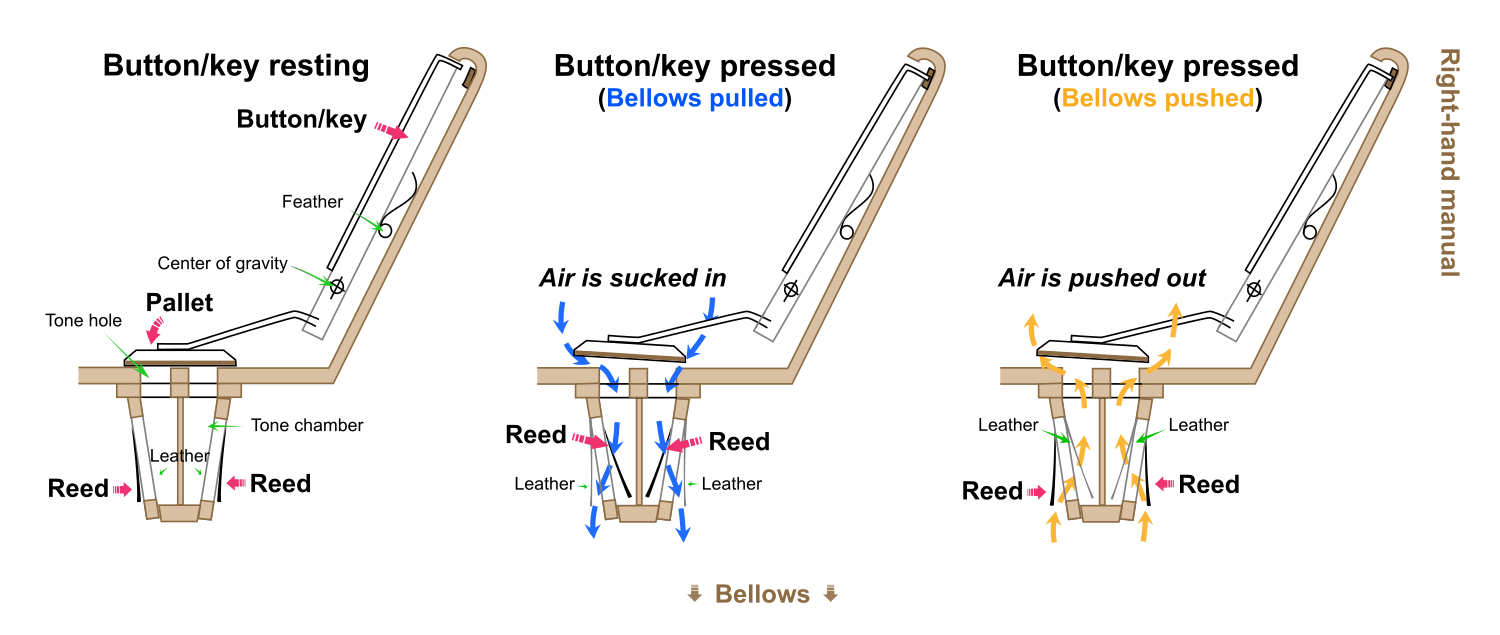
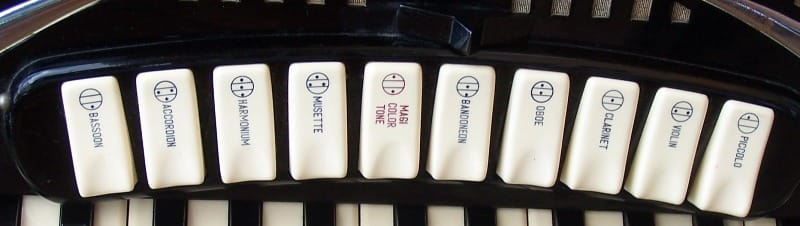
Let’s back up to get familiar with the accordion. The accordion was first patented in Vienna in 1829 by Cyrill Demian, but various instruments of its kind had been floating around Europe for at least a decade prior. Recently, there’s been a rising interest in the accordion among American performers across genres, including Tin Hat, Calexico, Counting Crows, and Gogol Bordello. However, in most pockets of popular culture, the accordion is still associated with nostalgic French waltzes, Argentinian tango and, sadly, uncool people. It is rarely presented in a classical concert setting.Yet in countries outside the U.S., the accordion is omnipresent and taken seriously enough to be studied in music conservatories. China (whose mouth organ, sheng, dates back to 1100 BCE and inspired the development of some organ and accordion designs), North Korea, Russia and the nations of the former Soviet Union, Eastern and Western Europe, India, Latin America, the Caribbean, and even Canada all have musical traditions that feature the accordion and its cousins: the concertina, harmonium, and bandoneon. As a result of this wide ranging diaspora, the accordion has grown to include countless models, systems, and body styles.
What makes the music and the bayan so impressive together?
One of the most well known pieces of music in history, Four Seasons is a series of four violin concertos written in 1723 by Italian Baroque composer Antonio Vivaldi. It was originally written for solo violin, second violins, viola, cello, and basso continuo, and each concerto is a vivid portrayal of a distinct season and its happenings. The piece is composed in such a way as to allow for easy adaptation. The orchestration can be rearranged, depending on the size and make up of the ensemble.The concerto form leaves ample room for improvisation and interplay between a soloist and an ensemble. This iconic work has been recorded over 1,000 times and reinterpreted in countless settings by composers of all genres in every instrumentation imaginable. Here’s just one:
So why do we feel what we feel?
Yes, the accordion sounds kind of goofy, and yes it is steeped in folk tradition more than classical. But, as is clear in the video, accordion playing is very physical. The audience gets a full frontal view of what’s happening on two columns of buttons and bellows in constant motion. For the player, the physical nature of being strapped into what is essentially a full organ, whether it’s accompanying a singer’s soulful melody or to imitate a orchestra’s leaps and bounds, is a big part of the thrill. Add to this a dazzling display of a baroque chamber ensemble being imitated on a single instrument and it’s bound to fascinate.It’s not only the performance, but the exoticism of foreign mastery that allures us as well.Related articles