

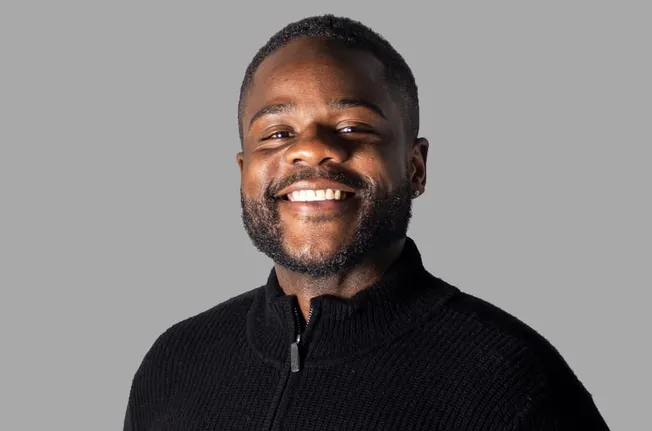
By Ben Ikwuagwu, CEO & Co-Founder of Soundcheck Live
Everyone in the music business is talking about AI. Labels are negotiating AI rights clauses into artist contracts. Streaming platforms are debating whether AI-generated songs should chart. Startups are raising hundreds of millions to build the next AI music tool.
The conversation is loud, fast, and almost entirely about recorded music.
Meanwhile, live music, the industry's biggest revenue driver, still runs on WhatsApp group chats, Excel spreadsheets, and handshake deals. The hundreds of thousands of freelance musicians, sound engineers, lighting techs, and event coordinators who make every show happen are nearly invisible to the AI revolution unfolding around them.
I know because I'm one of them.
I've spent 15 years as a working vocalist in the private events world, performing roughly 60 weddings and corporate events a year alongside some of the most skilled musicians you'll never hear on the radio. I juggled multiple gigs across multiple bands and multiple bosses, none of whom shared the same calendar, contract format, or payment system.
The operational layer underneath live music was broken, and I couldn't stop thinking about it.
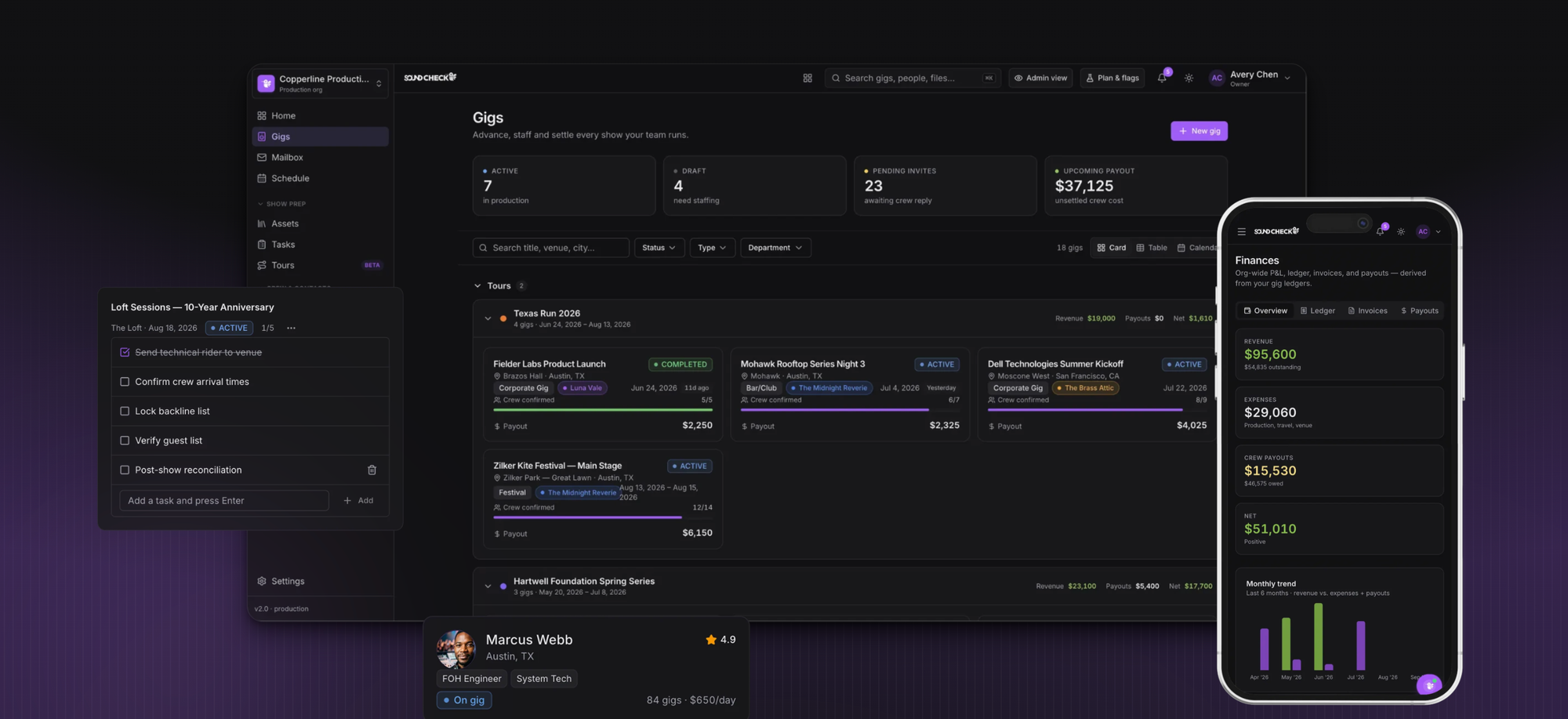
So my Co-Founder Steven Tran and I built Soundcheck Live, a platform that gives live event professionals the business infrastructure they should have had all along. Bookings, payments, and workflows all in one place.
+Read more: "How NYBA Back-Designed a Cirque du Soleil Ticket Sellout (and Succeeded)"
Building Soundcheck confirmed what I already knew from the stage. The freelance musician is the most underserved professional in the music business. Event pros work for multiple employers at once, in a world where the legal, financial, and technological systems were designed for full-time employees, not independent contractors.
Now AI is widening the gap.
The tools being built right now serve the top of the pyramid: labels, publishers, distributors, and streaming platforms. AI is generating music, cloning voices, automating A&R decisions, and negotiating rights. All of that matters. None of it touches the working musician trying to figure out if they got paid correctly for last Saturday's wedding, or the sound engineer coordinating three back-to-back festival slots with no system to manage any of it.
Here's the irony of it all.
AI could genuinely transform the lives of the people making the show happen that you'll never see, if anyone bothered to build for them. Imagine AI that reconciles payments across booking platforms automatically. That flags contract discrepancies before a musician signs. That helps a freelance coordinator build a setlist, schedule crew, and send reminders to 15 vendors from one place. That isn't fantasy.
It's a solvable problem, and there's a lot that's being done to push the ball forward.
But the broader music tech ecosystem isn't paying attention, because crew and staff don't generate the data, scale, or investor headlines that streaming royalties and AI-generated platinum records do. The result is a two-tier industry: a highly automated, AI-optimized recorded music business on top, and a fragmented, manually operated live music workforce underneath. More vulnerable, more invisible, and more exploited than ever.
The music industry loves to talk about supporting artists. But the artist ecosystem is bigger than the names on the marquee.
- It's the sound tech who drove 11 hours to set up that stage.
- It's the session musician who played on three records this month and got paid late for all of them.
- It's the coordinator keeping 40 freelancers in sync with a shared Google doc and a prayer.
If we're serious about AI benefiting the music industry as a whole, not just disrupting it, we need to widen the conversation. That means building for the working level of live music, not just the executive level. It means designing AI with event pros in mind from day one, not as an afterthought.
And it means acknowledging that the future of music is not just what gets streamed. It's what gets performed, night after night, by real people who deserve better systems.
The AI revolution in music is happening. The question is who it's happening for.
+Read more: "11 Music Distributors Beyond the Usual Suspects"
Ben Ikwuagwu is a first-generation Nigerian-American entrepreneur, professional vocalist, and CEO & Co-Founder of Soundcheck Live, the AI operating system and reputation layer for the live events industry.